Tips for Creating a Cozy and Functional Home Office Space
Creating a home office space that feels cozy yet remains highly functional is key to maintaining productivity while enjoying your work environment. Whether you’re working remotely, freelancing, or need a dedicated spot for managing household tasks, a well-designed home office can make a big difference in your daily routine.
In this post, we’ll share practical tips to help you design a workspace that balances comfort and functionality perfectly.
Choose the Right Location
Your home office should ideally be in a quiet area with minimal distractions. If possible, pick a room or corner with plenty of natural light. Daylight boosts mood and energy, helping you focus better throughout the day.
If natural light is limited, choose a spot where you can add ample artificial lighting. Avoid locations near noisy appliances or heavy foot traffic. A peaceful environment encourages concentration and reduces stress.
Invest in Comfortable Seating
A supportive chair is essential. Spending hours working in an uncomfortable seat can lead to back pain and fatigue. Look for an ergonomic office chair with adjustable height, lumbar support, and comfortable cushioning.
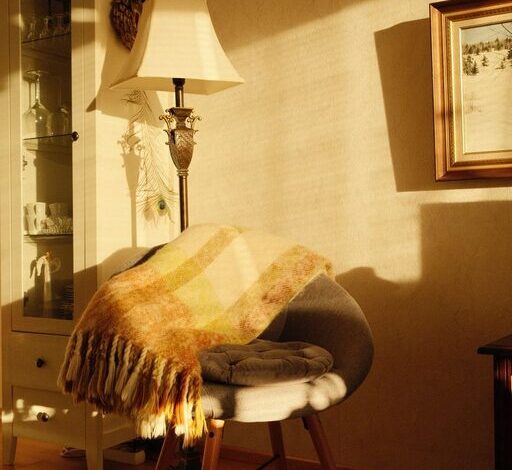
If space allows, consider adding a small lounge chair or a cushion for taking short breaks. This adds comfort and encourages you to step away from the desk occasionally, which is beneficial for mental and physical health.
Optimize Your Desk Setup
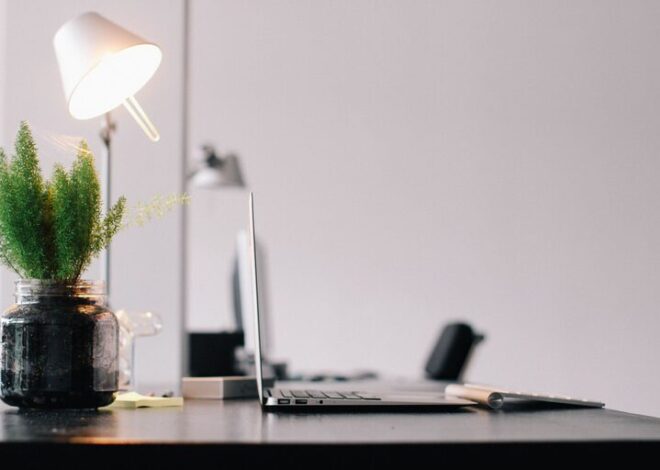
Your desk should be large enough to hold your computer, essential supplies, and perhaps a few personal items that inspire you. Keep clutter to a minimum by using drawer organizers or desktop trays.
Make sure the desk height aligns with your chair, encouraging a neutral posture for your wrists and arms. This helps prevent strain and repetitive stress injuries.
Focus on Lighting
Good lighting is a cornerstone of a productive home office. Ideally, combine natural light with a mix of overhead and task lighting.
– Use a desk lamp with adjustable brightness and color temperature to reduce eye strain.
– Position your computer screen to avoid glare from windows and lights.
– Soft ambient lighting can make the room feel warmer and more inviting.
Personalize Your Space
Adding personal touches can make your office feel welcoming and motivating. Consider:
– Framed photos or artwork
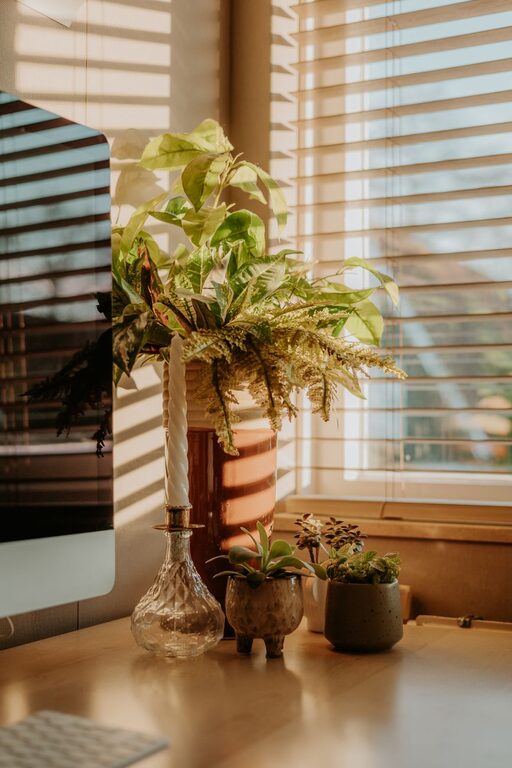
– A small plant for freshness and improved air quality
– Inspirational quotes or vision boards
However, balance personalization with simplicity to prevent distractions.
Organize with Storage Solutions
An orderly workspace promotes efficiency. Incorporate storage options such as shelves, filing cabinets, or baskets to keep everything in its place.
Label drawers and containers for quick access. A clutter-free desk surface helps maintain focus and makes the room appear brighter and more spacious.
Manage Cables and Technology
Cables can quickly become tangled and messy. Use cable clips, sleeves, or boxes to keep cords organized and out of sight.
Make sure your internet connection is strong and stable if you rely on online work. Position your router optimally or invest in Wi-Fi boosters if necessary.
Maintain Good Air Quality
A fresh environment helps keep you alert. Open windows regularly if possible, or use an air purifier to reduce dust and allergens.
Some office plants, like spider plants or snake plants, also help improve air quality naturally.
Create Zones for Different Tasks
If your workspace allows, designate different areas for specific activities, such as computer work, reading, or brainstorming.
Having separate zones encourages movement and can improve focus by limiting distractions related to multitasking.
Incorporate Break-Friendly Elements
Taking regular breaks is important. Include elements that promote relaxation within your office space, such as:
– A small water fountain or calming scent diffuser
– A soft rug or floor cushions for stretching
– Access to a window view or natural scenery
These details help reduce stress and prevent burnout.
Keep Your Workspace Flexible
Lastly, adaptability is important. Use furniture on wheels or modular desks that can be easily rearranged. This lets you adjust your space for different projects or moods.
Having flexibility in your home office setup can keep your environment interesting and inspiring.
—
By thoughtfully combining comfort and function, your home office can become a space where you enjoy spending time and work efficiently. Try implementing these tips one by one and see how your productivity and well-being improve. A cozy, functional workspace is just a few steps away!