Tips for Creating a Productive Home Office Environment
Creating a productive home office environment is essential for anyone working remotely or spending a significant amount of time on tasks at home. A well-planned space can improve concentration, reduce distractions, and promote a healthy work-life balance. Whether you’re setting up your first home office or looking to refresh your current space, these practical tips can help you make the most of your work area.
Choose the Right Location
Start by selecting a dedicated spot for your home office. Ideally, choose a quiet part of your home away from heavy foot traffic and noisy appliances. A corner in a spare room or a section of your bedroom can work well, as long as it allows you to focus without interruption.
Having a defined workspace helps your brain switch into “work mode,” making it easier to concentrate during office hours and relax afterward.
Invest in Ergonomic Furniture
Comfort plays a big role in productivity. Invest in a good quality chair with proper lumbar support to prevent back pain during long hours at your desk. Your desk should be the right height to keep your wrists straight and shoulders relaxed.
Consider an adjustable chair and desk setup to accommodate your posture changes throughout the day. Adding a footrest or a standing desk converter can also enhance comfort and reduce fatigue.
Optimize Lighting for Focus and Wellness
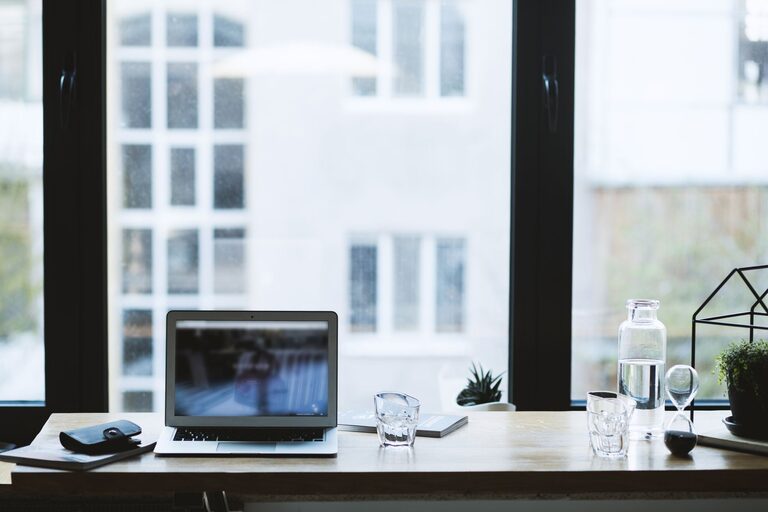
Natural light is the best source of illumination for productivity and overall mood. Position your desk near a window if possible. If natural light is limited, use bright, cool-white LED lighting that mimics daylight.
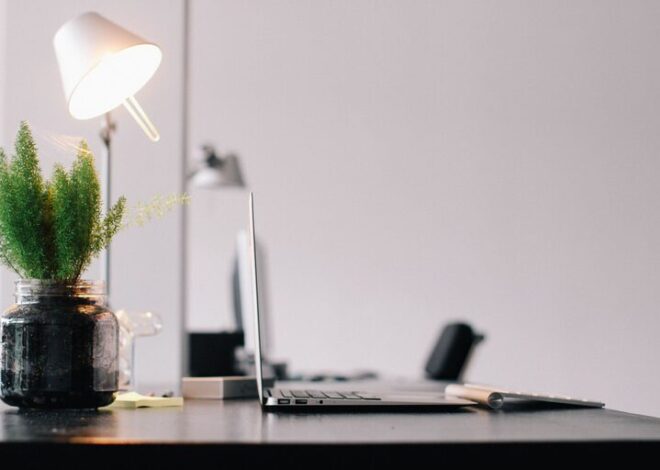
Avoid glare on your computer screen by positioning lights and windows thoughtfully. A desk lamp with adjustable brightness can provide focused light for reading and detailed tasks.
Keep Your Workspace Organized
Clutter can be distracting and make it harder to complete tasks efficiently. Use storage solutions such as shelves, filing cabinets, or desk organizers to keep your supplies and papers tidy.
Try to clear your desk at the end of each day to start fresh the next morning. Regularly declutter and only keep everyday essentials within arm’s reach.
Minimize Noise and Distractions
If your home environment is noisy, consider noise-cancelling headphones or soft background music to help maintain focus. Communicate your work hours to family members or roommates to reduce interruptions.
Use apps or tools that block distracting websites during work hours, and turn off non-essential notifications on your computer and phone.
Personalize Your Space
Adding personal touches to your home office can make it more inviting and enjoyable. Photos, plants, or artwork bring warmth and positivity.
Choose décor that inspires you but don’t overcrowd the space. A balanced environment stimulates creativity while supporting concentration.
Manage Technology Effectively
Ensure your internet connection is stable and fast enough for your work demands. Invest in a quality headset or microphone if you attend many virtual meetings.
Keep cables organized with clips or ties to prevent tangles. Regularly update your software and back up your files to avoid technical disruptions.
Plan Your Workday and Take Breaks
Set clear work hours and stick to a schedule. Using time-management techniques like the Pomodoro method can improve productivity and decrease burnout.
Schedule breaks to stand up, stretch, and rest your eyes. A few minutes away from your screen helps maintain mental clarity and reduce fatigue.
Incorporate Greenery and Fresh Air
Plants can purify the air and create a calming atmosphere. Choose low-maintenance plants like succulents or pothos that thrive indoors.
If possible, open a window during the day to let fresh air circulate. Good air quality supports better focus and overall well-being.
Final Thoughts
Creating a productive home office environment is about balancing comfort, organization, and personalization. With a little planning and these helpful tips, you can transform your space into a place where you feel motivated and ready to tackle your work each day.
By prioritizing the right location, lighting, furniture, and organization, plus managing distractions and technology wisely, your home office can become a key asset in achieving your professional goals.